
Dry Fire: Building Habits That Actually Stick
Posted by Michelle Waldran on Nov 19th 2025
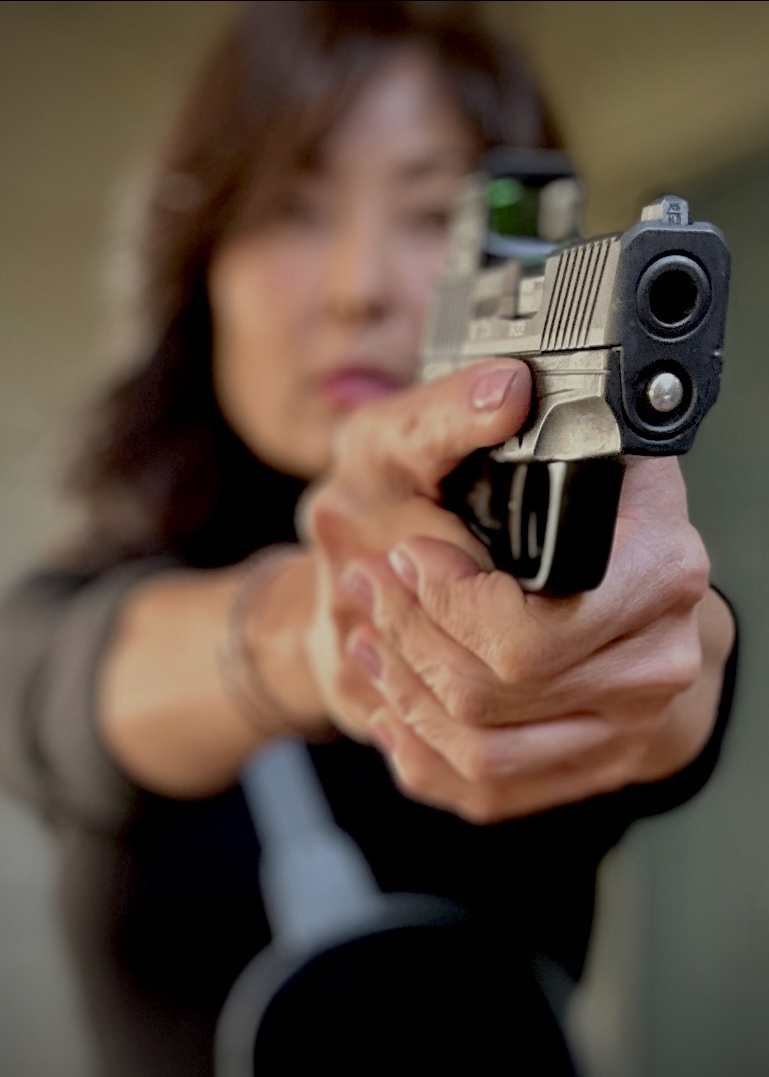
Dry fire—or dry practice—is the act of training with your firearm by aiming at a safe target and pressing the trigger on an unloaded gun. It’s one of the safest, most effective ways to build confidence because you get to focus on fundamentals without the distraction (or pressure) of live ammo.
You’ve probably heard the phrase: “It takes 21 days to form or break a habit.”
That idea came from a 1960s self-help book, and it’s been repeated ever since. But here’s the real truth: habits don’t run on a 21-day timer. Research shows some habits take a couple of weeks, while others take months. What actually matters isn’t the number of days—it’s your consistency.
So what does this have to do with dry firing?
Everything.
Because dry fire is habit training.
⸻
Dry Fire = Habit Building
When you’re dry firing, you’re not just working on sight alignment and trigger control. You’re programming your body and your mind. Every rep reinforces a pattern—good or bad.
I know what you’re thinking: “I’m not training for competition. Does this really apply to me?”
Absolutely.
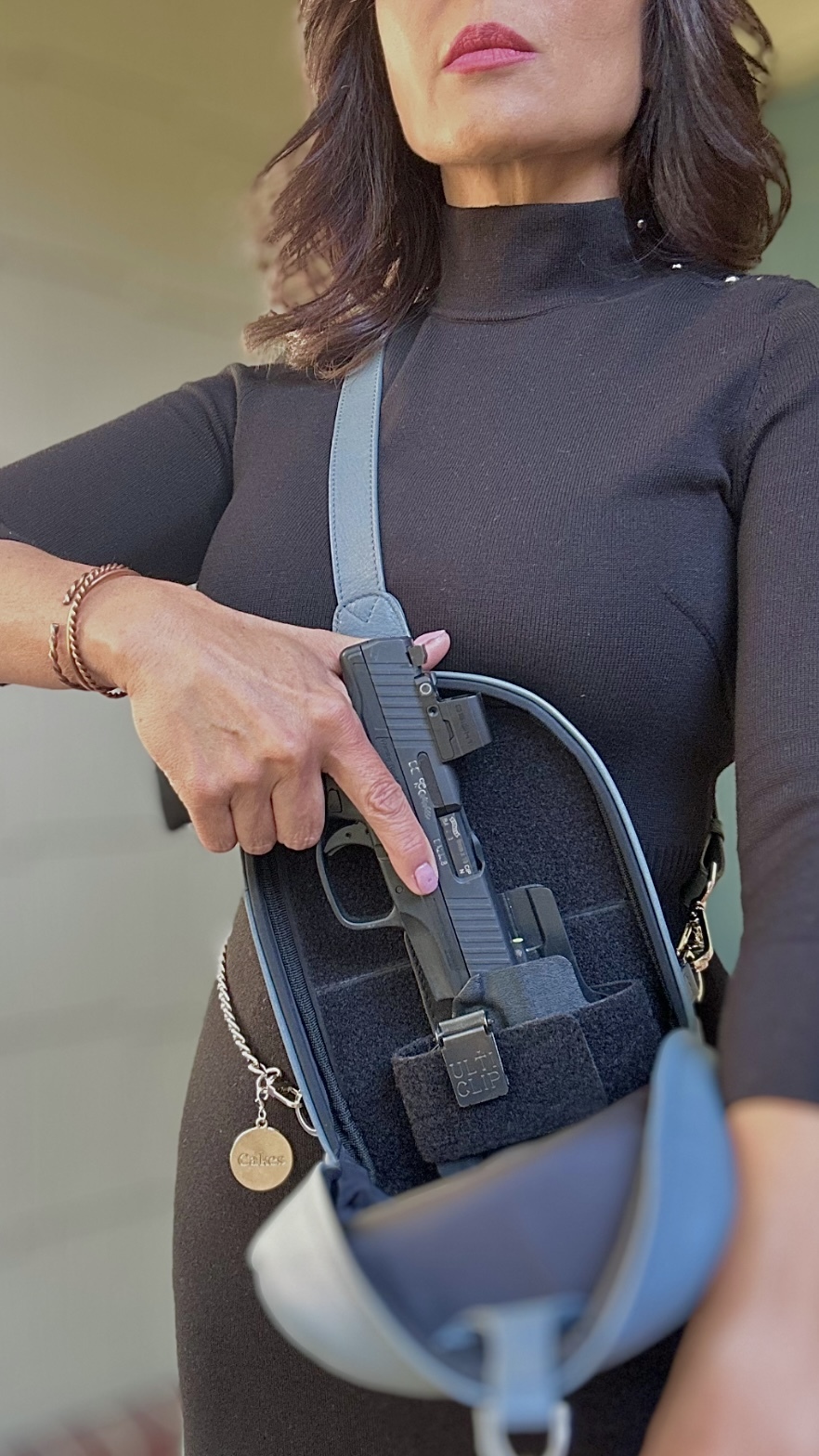
Dry firing your concealed carry setup is even more important. You’re not training for a trophy—you’re training for the highest-stakes moment of your life. You have to be able to win. That’s the goal. Not a plaque, not a rank—your survival.
And over time, those patterns become your default response the moment you pick up or draw your firearm.
Think about it like this:
- If you practice a clean, efficient draw stroke every night, that motion will become natural.
- If you rush through sloppy technique, that will become natural too.
- Habits don’t ask permission—they just show up when you need them most.
- And when you remove a bad habit, replace it with a purposeful one.
⸻
Why Consistency Beats the “21-Day Rule”
Instead of counting days, focus on showing up.
Five minutes of intentional dry fire every few days will do far more for your skills than a once-a-month marathon session. These short, focused reps help you build neural pathways that make your movements smooth, automatic, and reliable.
It took me years to learn this the hard way. Consistency wins every time.
⸻
How to Turn Dry Fire Into a Lasting Habit
A few simple strategies will help your practice stick:
- Set a trigger for your habit: Anchor it to something you already do. I dry fire when I’m picking out my outfit for the next day—because clearing your garment matters.
- Keep it short and doable: Even five focused minutes are powerful.
- Make it rewarding: End your session by acknowledging one thing you improved. Small wins compound fast.
⸻
The Bottom Line
Whether it takes 21 days, 60 days, or 100, building effective dry fire habits comes down to one thing: consistency. Over time, those quiet, unseen reps create confidence, control, and competence.
Your firearm skills shouldn’t rely on “I hope I remember.”
They should flow from habits you’ve built when nobody’s watching.